


Sleep is one of the strongest predictors of long-term health. Yet sleep disorders often go undiagnosed for years. Traditional sleep diagnostics remain essential, but access is limited by cost, inconvenience, and delayed referral pathways.
At Arima Health, the focus is early identification and timely treatment of sleep disorders. Advances in applied artificial intelligence are helping close the gap between risk and diagnosis.
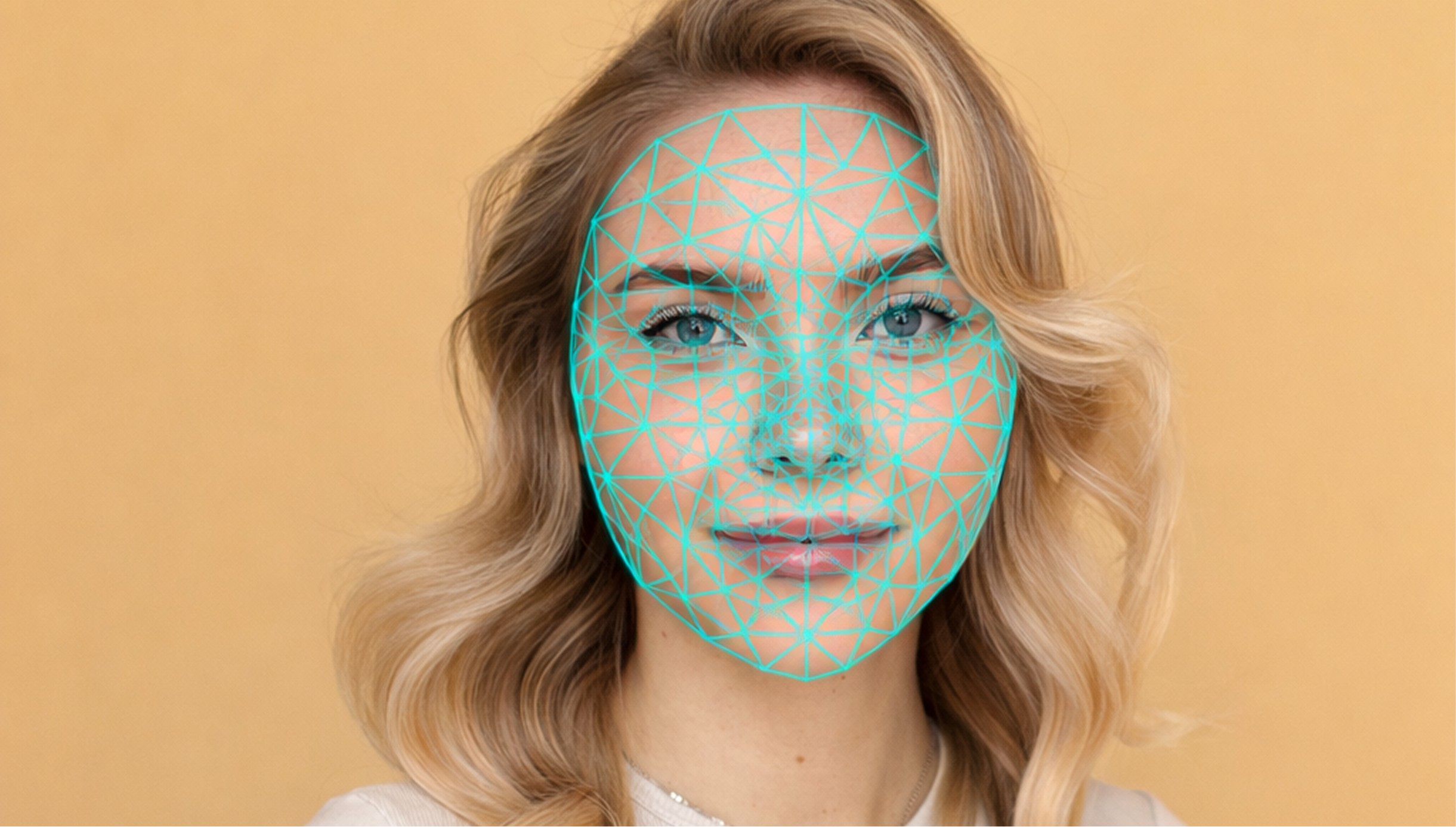
One such advance is AI-assisted facial analysis. When grounded in clinical evidence, it offers a scalable way to identify sleep-related risk earlier and more efficiently.
Why the Face Reveals Sleep Risk
Sleep disorders, particularly obstructive sleep apnea, affect more than nighttime breathing. Over time, they influence facial anatomy and soft tissue in measurable ways.
Research over the past decade has shown that poor sleep and untreated apnea are associated with visible facial changes, and that these changes can improve with effective therapy.
In a landmark study, Chervin et al. (2013) used high-resolution 3D facial photography to evaluate individuals with obstructive sleep apnea before and after two months of CPAP therapy. Independent reviewers, blinded to treatment status, consistently rated post-treatment faces as more alert, healthier, and younger. Objective measurements confirmed reduced facial puffiness and redness, indicating improved circulation and reduced inflammation.
Later work demonstrated that these patterns are detectable by algorithms, not just clinicians.
Eastwood et al. (2020) showed that machine learning models analyzing 3D facial scans identified adults with sleep apnea with approximately 91 percent accuracy, outperforming commonly used screening questionnaires. The models focused on stable structural features such as facial width, depth, and neck size that correlate with airway obstruction.
Across studies, the conclusion is consistent. Facial structure reflects underlying sleep physiology.
From Clinical Insight to Scalable Screening
Craniofacial anatomy has long been recognized as a risk factor for sleep-disordered breathing. What AI enables is scale, consistency, and speed.
AI-assisted facial analysis converts a standard photograph into a structured assessment of anatomical risk factors associated with sleep apnea. It does not replace diagnostic testing. It helps determine who should be evaluated sooner.
This improves triage, reduces delays, and supports more efficient use of clinical resources.
How Arima Health Incorporates AI-Assisted Screening
Arima Health uses AI-assisted screening as part of a clinician-led sleep care model.
The technology supports early identification of patients who may benefit from further evaluation. It is used to guide clinical triage, not to make diagnoses.
Screening results are reviewed in the context of patient history, symptoms, and clinical judgment. Patients identified as higher risk are directed to appropriate diagnostic testing and treatment through Arima Health’s virtual care pathway.
This approach allows Arima Health to expand access to sleep care while maintaining clinical oversight and accountability.
Why This Matters
Earlier identification of sleep risk leads to earlier treatment.
That matters because untreated sleep disorders are strongly associated with hypertension, diabetes, cardiovascular disease, depression, and reduced quality of life.
By helping patients reach evaluation sooner and with less friction, Arima Health improves outcomes and reduces the long-term burden of untreated sleep disease.
Supporting Earlier, More Efficient Sleep Care
AI-assisted tools help clinicians prioritize evaluation and guide patients into appropriate diagnostic pathways.
Used within Arima Health’s clinician-led model, these tools reduce delays without replacing clinical judgment. Earlier access to care leads to better outcomes and lower downstream burden.
References
Chervin RD et al. The Face of Sleepiness: Improvement in Appearance after Treatment of Sleep Apnea. Journal of Clinical Sleep Medicine. 2013.
Eastwood P et al. Predicting Sleep Apnea From Three-Dimensional Face Photography. Journal of Clinical Sleep Medicine. 2020.